Copenhagen: A Modern-Day Fairy Tale Where History Meets Tomorrow
Step into Copenhagen, and you’re not just visiting a city; you’re entering a living, breathing fairy tale. This isn’t just a whimsical notion; it’s a profound truth woven into the very fabric of Denmark’s vibrant capital. Here, ancient cobblestone streets lead to architectural marvels, royal palaces stand sentinel over bustling harbors, and the echoes of Viking legends blend seamlessly with the hum of modern innovation. Copenhagen is a testament to timeless charm, a city that cherishes its illustrious past while boldly embracing the future with an open heart and mind.
Copenhagen’s Enchanting Tapestry: Where History Meets Modernity
Copenhagen’s cityscape is an elegant fusion of contradictions that somehow fit perfectly. Advanced modern architecture stands alongside historic waterways, expansive open spaces border narrow, winding cobblestone streets, and ancient timbered houses cozy up to majestic castles and palaces. The city practically oozes history, with its royal heritage ever-present.
A leisurely tour of Copenhagen’s harbour and canals provides a journey through this captivating timeline. You’ll glide past the iconic Little Mermaid, Hans Christian Andersen’s timeless heroine, perched on her rock at the harbour entrance. Further along, the striking, modern architectural addition to the Royal Danish Library, affectionately known as ‘The Black Diamond,’ gleams, housing the renowned restaurant Søren K, named after the famed Danish philosopher Søren Kierkegaard. This remarkable journey from the whimsical to the profound, from the ancient to the avant-garde, perfectly encapsulates Copenhagen’s unique charm.
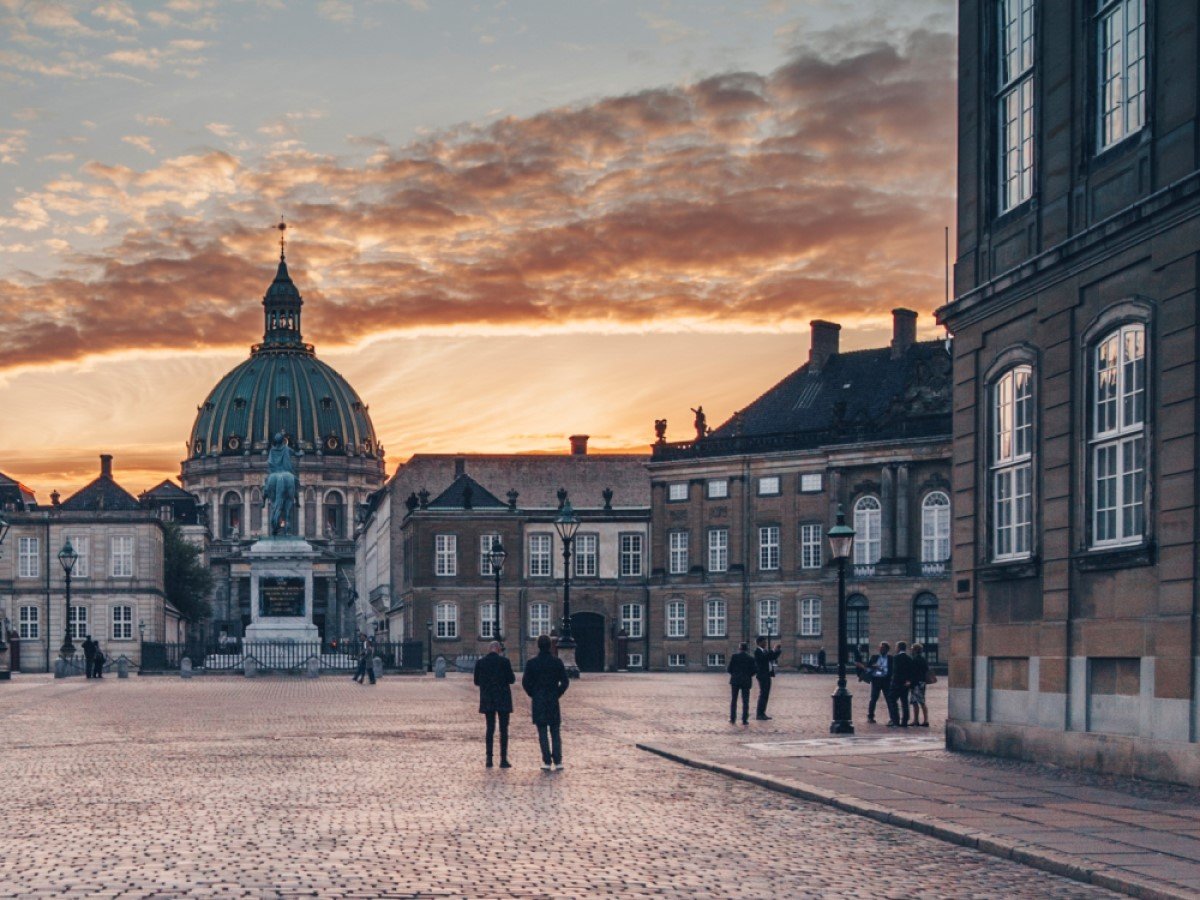
Quick Facts: Copenhagen’s Blend
- Best for: Culture enthusiasts, history buffs, design lovers, and anyone seeking a city with vibrant energy and serene beauty.
- Don’t Miss: A canal tour for a unique perspective, a visit to Nyhavn for its colourful houses, and exploring the grounds of Rosenborg Castle.
- Insider Tip: Rent a bike! Copenhagen is one of the most bike-friendly cities in the world, offering an authentic way to experience its charm.
Echoes of the North: Copenhagen’s Viking Roots
While modern Danes are far more civilized than their ancestors, a strong thread of Viking heritage runs deep through the national psyche. From the 8th to the 11th centuries, the intrepid Norse explorers, merchants, warriors, and even pirates known as Vikings left an indelible mark across Europe, parts of Asia, and the North Atlantic. Today, you’ll find numerous traces and artifacts from this storied era, not only within Copenhagen but especially in the surrounding countryside.
The ancient Viking city of Roskilde, just a 30-minute train ride from Copenhagen, offers a deep dive into this past. Here, the Viking Ship Museum showcases impressive reconstructions and archaeological finds. Further afield, though requiring a car, are significant sites like Lejre Land of Legends, the well-preserved Viking fortress Trelleborg, and the living history of Frederikssund Viking Village, each offering a fascinating glimpse into a formative period of Danish history.

Visitor Info: Unearthing Viking History
- Getting There: Roskilde is easily accessible by train from Copenhagen Central Station.
- Must-See in Roskilde: The Viking Ship Museum and Roskilde Cathedral (UNESCO World Heritage Site, burial place of Danish monarchs).
- Beyond Roskilde: Consider a day trip to Frederikssund Viking Village for an immersive experience, especially during their annual Viking Festival.
The Enduring Crown: A Thousand Years of Danish Monarchy
Copenhagen’s history as a thriving urban center began in 1167, founded by Bishop Absalon. Over the ensuing centuries, herring fishing brought immense wealth to the fledgling city, and by the 15th century, it proudly claimed its status as the capital of Denmark, succeeding Roskilde. Under the ambitious reign of King Christian IV in the 17th century, Copenhagen blossomed into the significant regional capital it remains today, a sprawling metropolis now home to 1.9 million people in its capital region.
To truly grasp the otherwise very modern and democratic Danes’ profound affection for their royal family, one must understand its deep roots in the national identity. Denmark, a relatively small country with a population of merely 5.6 million people, often perceives the royal family as moral protectors and essential representatives of the nation. This sentiment was powerfully underscored during World War II, when King Christian X famously rode daily through the streets of occupied Copenhagen on his white horse, accompanied by only one guard. Danes saw this simple yet courageous act as a heroic symbol of quiet resistance – a beacon of light in the darkness. It cemented his place as one of the most beloved Danish monarchs of modern times.
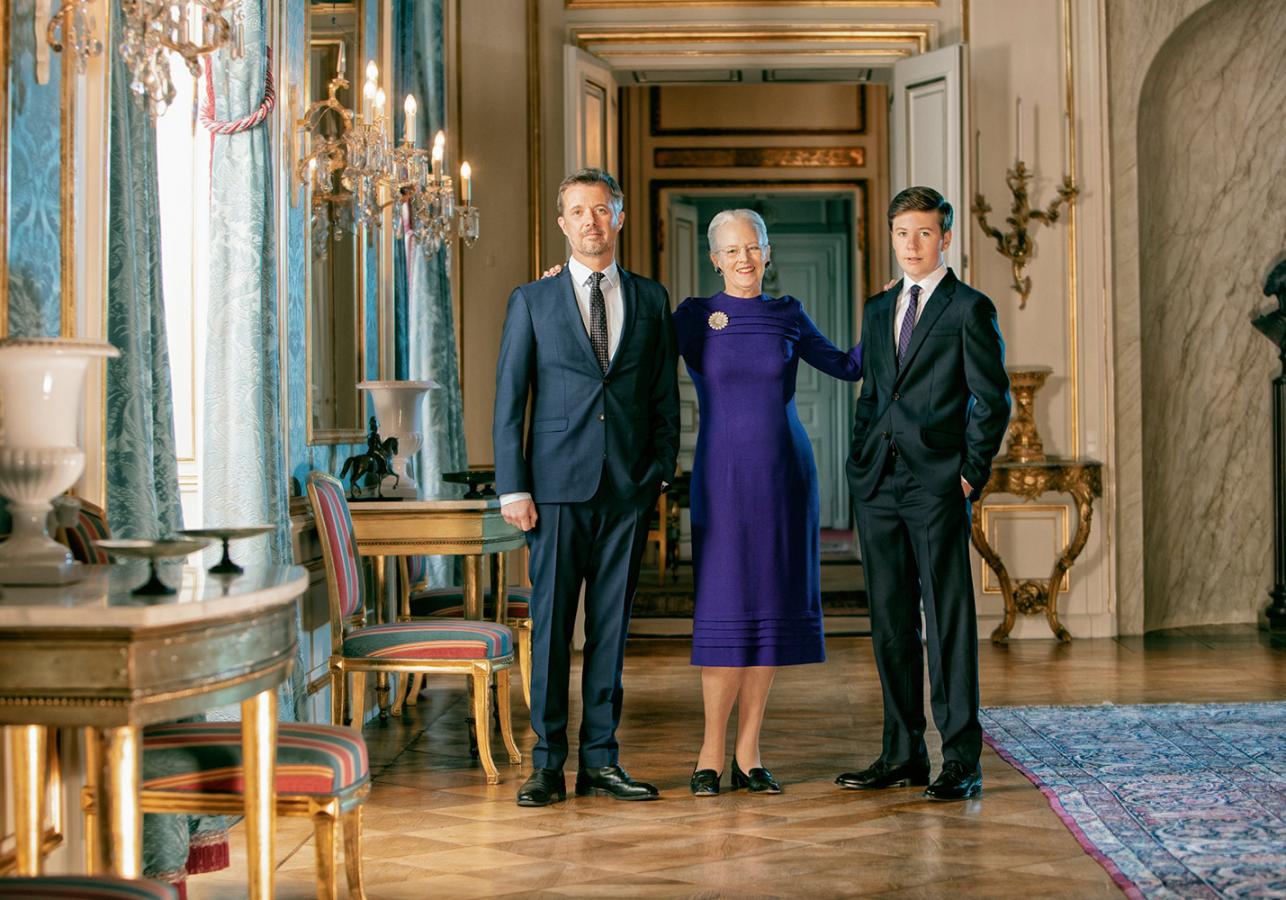
Visitor Info: Experience Royal Copenhagen
- Royal Residences: Amalienborg Palace (winter residence, witness the Changing of the Guard), Rosenborg Castle (home to the Crown Jewels), and Christiansborg Palace (home to Parliament and Royal Reception Rooms).
- Best Time to Visit: Arrive at Amalienborg Palace around 11:30 AM to see the Royal Life Guards march from Rosenborg Castle for the 12:00 PM Changing of the Guard ceremony.
- Insider Tip: Many royal sites offer combined tickets or city passes, which can save you money if you plan to visit multiple attractions.
A Modern Royal Tale: King Frederik X and Queen Mary
Today, the Danish monarchy continues its vibrant legacy under the leadership of His Majesty King Frederik X and Her Majesty Queen Mary. Next in line to the throne is their eldest son, Crown Prince Christian, alongside his siblings Princess Isabella, and the twins Princess Josephine and Prince Vincent. Many Danes view King Frederik X and Queen Mary as exemplary role models, embodying a modern Danish family that skillfully balances public duty with personal life.
King Frederik X, in particular, resonates deeply with the Danish public for his down-to-earth approach. He famously completed an Ironman in Copenhagen and is often seen picking up his children from kindergarten on a Christiania bike, much like any other Danish father. This blend of tradition and relatability allows the Royal couple to be perceived as outstanding international representatives of Denmark and its core values. It is this authentic connection and modern relevance that often justifies their esteemed royal status and the financial benefits supported by the state.
Conclusion: Your Fairy Tale Awaits
Copenhagen truly is a modern-day fairy tale, not just because of its charming aesthetics, but because of its spirit. It’s a city that effortlessly weaves together its ancient Viking past, its proud royal history, and its forward-thinking modern vision into a harmonious whole. From the whimsical statue of the Little Mermaid to the contemporary elegance of the Black Diamond, and from the echoes of ancient kings to the relatable presence of its modern monarchy, Copenhagen offers a unique narrative around every corner. It’s a place where history isn’t just preserved; it’s lived, breathed, and continuously reimagined, inviting you to step into its enchanting story and create your own unforgettable chapters.
This guide was inspired by the comprehensive overview provided by the official www.visitcopenhagen.com portal. For the most current information, please visit their website.